If anybody notices, why does the title kind of reminds me of "Drain you"?
Tuesday, February 7, 2012

Tuesday, January 31, 2012
Ancient Astronauts (or Aliens)

Take a close look of that picture above. He was Pakal the Great, ruler of the Maya polity of Palenque in the Late Classic period of pre-Columbian Mesoamerican chronology. During a long reign of some 68 years Pakal was responsible for the construction or extension of some of Palenque's most notable surviving inscriptions and monumental architecture. He reigned sometimes around the 7th century BCE.
Well, need I point it out? Can't interpret the picture? Well, according to Von Daniken, that dude is doing some controlling in his spaceship with the computer and he is doing some typing and it does look like somekind of spaceship. I mean look at the fire coming out of the back. So, unbelievable right?
Oh and guess what? Thomas Alva Edison didn't invent electricity. Electricity has been among us since few centuries after Jesus was born.

And again, unbelievably, there are lots of cave paintings, manuscripts, artifacts, ancient writings that describes astronauts, spaceships, or aliens. You just can't believe how much ancient description/pictures are there of astronauts and aliens thingy.
There are also, architectures that are so "modern", infact beyond our technologies today that seems so "impossible" to be done long ago without "help". The Giza Pyramid, Pumpapunku, Stonehenge, Moai of Easter Island, and way much more.
Need to see for yourself?
To watch the next part on youtube
The origins of many religions are interpreted by von Däniken as reactions to encounters with an alien race. According to his view, humans considered the technology of the aliens to be supernatural and the aliens themselves to be gods. Von Däniken claims that the oral and written traditions of most religions contain references to alien visitors in the way of descriptions of stars and vehicular objects travelling through air and space. One such is Ezekiel's revelation in the Old Testament, which Däniken interprets as a detailed description of a landing spacecraft.
(Source: Wikipedia)
My opinion? Well I think this might be true, though well- who knows for sure? This is a mystery. But, I stand true to my beliefs and religion. But though maybe, some ancient civilization might be fooled by an intelligent being imposed as Gods. But, then again- who knows?
Saturday, January 7, 2012
Indonesia: The Stereotypes
Ah, what a unique country we are- where the parents tell their kids to not marry westerners, and in the same time it seems 'cool' to have a blood from white people's blood.
Where the lower class thought of eating 'white people's food' as cool, but can't live without indonesian food for more than a month (especially without nasi/rice) which we claim to be the best food in the world.
Where the middle/upper class speaks disdainfully of Americans, but watch hollywood movies and listen to American music
Where the the people (especially the older generation) speaks anti-extramarital sex (and not just the muslims, so do the Catholics and Christians) , but the adults practice fornication as much as other countries in the world
Where the citizens of the big cities in Indonesia adapt the European or american lifestyle, but fights over cultural heritage with none other than Malaysia
Where the people don't drink due to religious issues (but some of us does too), but over than 165 million people smoke (yes, my mother, my father, my uncle, my aunt, and my friends smokes)
It seems that we are hypocrites,
well to tell you a secret- we are
Even me myself, sometimes is. It's just in our trait that we are not aware of. The funniest thing is, we blame other people (not necessarily from other countries) to be hypocrites while we ourselves actually are hypocrites, at least in our everyday
Another example, we complain about the practice of corruption in the government, but we somehow manage to manipulate our given power in workplace etc. for illegitimate gain.
Where as I was giving you the bad traits from our people, we have that unique traits too such as
Aside from being hypocrites, other than bash about other countries stereotype (like other countries do- especially toward Americans from what I have seen). Indonesian people bash about the cultural stereotype of different regions, because one region seems to be funny to others. So we do these stereotype bashing thingy in our own country. Probably because Indonesia has more diverse cultures than the land of Europe itself.
Oh another fact, we Indonesian women, who most of us born with olive skin, prefer to have whiter skin- preferably a little pale than our tan skin. Quite the contrary huh?
Where the people eat liver, tongue, lung, and intestine regularly. We can make any part of the body a cuisine because we spare meal and learn not to waste food.
We are blessed with lots of natural resources (this includes very fertile land. I have unintentionally thrown rambutan seeds in my backyard after I ate it and a few months later it grew), but yet poverty remains widespread
We have a lot of superstitions from different regions, and it is a part of culture
We are a religious nation, where people must have religion although it's free to embrace whatever religion you want. But we are the biggest muslim population in the world
We don't have surname here in Indonesia only the Bataknese and maybe some culture of other region/province. However some children still adapt their parent's name. I.e. my middle name is a variety of my mother's name. And my last name (not surname) is exactly the same as my father's last name (again, not surname)
A lot of girls are skinny without even trying
Our ghosts stories seems dreadful, but when you think about it the ghosts are funny-looking
Because of the extremely hot weather/climate, most people prefer to stay indoor in their air-conditioned room. We despise walking, and there are a lot of reasons for that. One, the extremely hot weather and intensive sun (mostly in Jakarta) are blackening our skin (as I told you the women prefer whiter/paler skin). However, our skin endure towards intensive sun so we use sunblock not for sunburn, but to avoid tan skin. Two, it is so hot that if we do activities out door, even just a 15 minutes walk- we'd be sweating like a pig. Three, there are no decent pedestrian sidewalk or zebra cross. There are no lamps as well, so the drivers tend to run over you when you are crossing the streets. Four, there are lots of car pollution. Five, because people who hangs out outdoor like in warung/tempat parkir or stuff are of the lower class people, the girls usually get 'flirted on' but in a bad way. Such as being talked to in a cheesy but insulting line, or getting your ass/other part of the body dabbed. And they are bad looking man.
The middle/upper class are so lazy they never do house chores. Most of the middle/upper class families you see, who mostly live in big cities has lots of servant. The number of servant usually depends on how big the house is and how much kids they have. It is so affordable for almost every middle/upper class to have servant because their salary is only $50 per month. So almost everyone can afford a servant, except the servant communities themselves. The kids/teenagers grow up without knowing how to do the dishes, iron the clothes, sweep/mop the floor, doing to laundry, making the bed, or other household stuff because it has been taken care of. But then when we get to college and live in dormitory we learned how to do it ourselves.
Another unique fact, most people can afford servant but yet poverty and famine is everywhere throughout the country. Maybe by people I mean middle/upper class.
Yes, we are that unique


I should probably take you from another whole of different approach of what Indonesia is, instead of my personal observation and opinion of the stereotypes
Indonesia, officially the Republic of Indonesia (Indonesian: Republik Indonesia), is a country in Southeast Asia and Oceania. Indonesia is an archipelago comprising approximately 17,508 islands. It has 33 provinces with over 238 million people, and is the world's fourth most populous country. Indonesia is a republic, with an elected legislature and president. The nation's capital city is Jakarta. The country shares land borders with Papua New Guinea, East Timor, and Malaysia. Other neighboring countries include Singapore, Philippines, Australia, and the Indian territory of the Andaman and Nicobar Islands. Indonesia is a founding member of ASEAN and a member of the G-20 major economies. The Indonesian economy is the world's eighteenth largest economy by nominal GDP and fifteenth largest by purchasing power parity.
The Indonesian archipelago has become an important trade region since at least the 7th century, when Srivijaya and then later Majapahit traded with China and India. Local rulers gradually absorbed foreign cultural, religious and political models from the early centuries CE, and Hindu and Buddhist kingdoms flourished. Indonesian history has been influenced by foreign powers drawn to its natural resources. Muslim traders brought Islam, and European powers brought Christianity and fought one another to monopolize trade in the Spice Islands of Maluku during the Age of Discovery. Following three and a half centuries of Dutch colonialism, Indonesia secured its independence after World War II. Indonesia's history has since been turbulent, with challenges posed by natural disasters, corruption, separatism, a democratization process, and periods of rapid economic change.
Across its many islands, Indonesia consists of distinct ethnic, linguistic, and religious groups. The Javanese are the largest—and the politically dominant—ethnic group. Indonesia has developed a shared identity defined by a national language, ethnic diversity, religious pluralism within a majority Muslim population, and a history of colonialism and rebellion against it. Indonesia's national motto, "Bhinneka Tunggal Ika" ("Unity in Diversity" literally, "many, yet one"), articulates the diversity that shapes the country. Despite its large population and densely populated regions, Indonesia has vast areas of wilderness that support the world's second highest level of biodiversity. The country is richly endowed with natural resources, yet poverty remains widespread.
(source: wikipedia)
There are a lot more that I can tell you of, but it would take too much of this page and it has no ends. So I guess this is enough
P.S. The things I stated my opinion are infact my opinion of the Indonesian stereotypes, not everybody is so. But then this is what I observed in the city I live in, Jakarta, and maybe there are a whole of different lifestyle in other region (like I said Indonesian's culture is a diverse culture). I might be a little lost of the Indonesian stereotype, because it's not as blatant as other countries stereotypes where you can learn through the popular cultures. Indonesian stereotype is not so popular in the popular cultures.
Oh, and Indonesian food kicks asses!

Where the lower class thought of eating 'white people's food' as cool, but can't live without indonesian food for more than a month (especially without nasi/rice) which we claim to be the best food in the world.
Where the middle/upper class speaks disdainfully of Americans, but watch hollywood movies and listen to American music
Where the the people (especially the older generation) speaks anti-extramarital sex (and not just the muslims, so do the Catholics and Christians) , but the adults practice fornication as much as other countries in the world
Where the citizens of the big cities in Indonesia adapt the European or american lifestyle, but fights over cultural heritage with none other than Malaysia
Where the people don't drink due to religious issues (but some of us does too), but over than 165 million people smoke (yes, my mother, my father, my uncle, my aunt, and my friends smokes)
It seems that we are hypocrites,
well to tell you a secret- we are
Even me myself, sometimes is. It's just in our trait that we are not aware of. The funniest thing is, we blame other people (not necessarily from other countries) to be hypocrites while we ourselves actually are hypocrites, at least in our everyday
Another example, we complain about the practice of corruption in the government, but we somehow manage to manipulate our given power in workplace etc. for illegitimate gain.
Where as I was giving you the bad traits from our people, we have that unique traits too such as
Aside from being hypocrites, other than bash about other countries stereotype (like other countries do- especially toward Americans from what I have seen). Indonesian people bash about the cultural stereotype of different regions, because one region seems to be funny to others. So we do these stereotype bashing thingy in our own country. Probably because Indonesia has more diverse cultures than the land of Europe itself.
Oh another fact, we Indonesian women, who most of us born with olive skin, prefer to have whiter skin- preferably a little pale than our tan skin. Quite the contrary huh?
Where the people eat liver, tongue, lung, and intestine regularly. We can make any part of the body a cuisine because we spare meal and learn not to waste food.
We are blessed with lots of natural resources (this includes very fertile land. I have unintentionally thrown rambutan seeds in my backyard after I ate it and a few months later it grew), but yet poverty remains widespread
We have a lot of superstitions from different regions, and it is a part of culture
We are a religious nation, where people must have religion although it's free to embrace whatever religion you want. But we are the biggest muslim population in the world
We don't have surname here in Indonesia only the Bataknese and maybe some culture of other region/province. However some children still adapt their parent's name. I.e. my middle name is a variety of my mother's name. And my last name (not surname) is exactly the same as my father's last name (again, not surname)
A lot of girls are skinny without even trying
Our ghosts stories seems dreadful, but when you think about it the ghosts are funny-looking
Because of the extremely hot weather/climate, most people prefer to stay indoor in their air-conditioned room. We despise walking, and there are a lot of reasons for that. One, the extremely hot weather and intensive sun (mostly in Jakarta) are blackening our skin (as I told you the women prefer whiter/paler skin). However, our skin endure towards intensive sun so we use sunblock not for sunburn, but to avoid tan skin. Two, it is so hot that if we do activities out door, even just a 15 minutes walk- we'd be sweating like a pig. Three, there are no decent pedestrian sidewalk or zebra cross. There are no lamps as well, so the drivers tend to run over you when you are crossing the streets. Four, there are lots of car pollution. Five, because people who hangs out outdoor like in warung/tempat parkir or stuff are of the lower class people, the girls usually get 'flirted on' but in a bad way. Such as being talked to in a cheesy but insulting line, or getting your ass/other part of the body dabbed. And they are bad looking man.
The middle/upper class are so lazy they never do house chores. Most of the middle/upper class families you see, who mostly live in big cities has lots of servant. The number of servant usually depends on how big the house is and how much kids they have. It is so affordable for almost every middle/upper class to have servant because their salary is only $50 per month. So almost everyone can afford a servant, except the servant communities themselves. The kids/teenagers grow up without knowing how to do the dishes, iron the clothes, sweep/mop the floor, doing to laundry, making the bed, or other household stuff because it has been taken care of. But then when we get to college and live in dormitory we learned how to do it ourselves.
Another unique fact, most people can afford servant but yet poverty and famine is everywhere throughout the country. Maybe by people I mean middle/upper class.
Yes, we are that unique


I should probably take you from another whole of different approach of what Indonesia is, instead of my personal observation and opinion of the stereotypes
Indonesia, officially the Republic of Indonesia (Indonesian: Republik Indonesia), is a country in Southeast Asia and Oceania. Indonesia is an archipelago comprising approximately 17,508 islands. It has 33 provinces with over 238 million people, and is the world's fourth most populous country. Indonesia is a republic, with an elected legislature and president. The nation's capital city is Jakarta. The country shares land borders with Papua New Guinea, East Timor, and Malaysia. Other neighboring countries include Singapore, Philippines, Australia, and the Indian territory of the Andaman and Nicobar Islands. Indonesia is a founding member of ASEAN and a member of the G-20 major economies. The Indonesian economy is the world's eighteenth largest economy by nominal GDP and fifteenth largest by purchasing power parity.
The Indonesian archipelago has become an important trade region since at least the 7th century, when Srivijaya and then later Majapahit traded with China and India. Local rulers gradually absorbed foreign cultural, religious and political models from the early centuries CE, and Hindu and Buddhist kingdoms flourished. Indonesian history has been influenced by foreign powers drawn to its natural resources. Muslim traders brought Islam, and European powers brought Christianity and fought one another to monopolize trade in the Spice Islands of Maluku during the Age of Discovery. Following three and a half centuries of Dutch colonialism, Indonesia secured its independence after World War II. Indonesia's history has since been turbulent, with challenges posed by natural disasters, corruption, separatism, a democratization process, and periods of rapid economic change.
Across its many islands, Indonesia consists of distinct ethnic, linguistic, and religious groups. The Javanese are the largest—and the politically dominant—ethnic group. Indonesia has developed a shared identity defined by a national language, ethnic diversity, religious pluralism within a majority Muslim population, and a history of colonialism and rebellion against it. Indonesia's national motto, "Bhinneka Tunggal Ika" ("Unity in Diversity" literally, "many, yet one"), articulates the diversity that shapes the country. Despite its large population and densely populated regions, Indonesia has vast areas of wilderness that support the world's second highest level of biodiversity. The country is richly endowed with natural resources, yet poverty remains widespread.
(source: wikipedia)
There are a lot more that I can tell you of, but it would take too much of this page and it has no ends. So I guess this is enough
P.S. The things I stated my opinion are infact my opinion of the Indonesian stereotypes, not everybody is so. But then this is what I observed in the city I live in, Jakarta, and maybe there are a whole of different lifestyle in other region (like I said Indonesian's culture is a diverse culture). I might be a little lost of the Indonesian stereotype, because it's not as blatant as other countries stereotypes where you can learn through the popular cultures. Indonesian stereotype is not so popular in the popular cultures.
Oh, and Indonesian food kicks asses!

Thursday, January 5, 2012
In Heaven's Name
Lately I'm under the influence with jazz or alternative jazz musicians, and Sade is one of my favorite.
Especially her videos, it' just so james bond-ish spy-ish type and she's like one of the bond's girl/ femme fatale thingy
Well anyway
Especially her videos, it' just so james bond-ish spy-ish type and she's like one of the bond's girl/ femme fatale thingy
Well anyway
Last New Year Eve
Happy New Year 2012 people!
Well, the mayans say this new year will be the last new year ever, I say
the fuck with the mayans I don't care if the world ends tomorrow
Well hopefully not, God please don't make this end so soon
Anyway I just wanna say that I will not be continuing that Survival French thingy because it is already graded with my computer teacher...
So, to the hell with that, it was hours of making and truthfully I don't really understand those
Anyway, you may want to celebrate your christmas early
Well, the mayans say this new year will be the last new year ever, I say
the fuck with the mayans I don't care if the world ends tomorrow
Well hopefully not, God please don't make this end so soon
Anyway I just wanna say that I will not be continuing that Survival French thingy because it is already graded with my computer teacher...
So, to the hell with that, it was hours of making and truthfully I don't really understand those
Anyway, you may want to celebrate your christmas early
Tuesday, November 1, 2011
5. Pronouns, preposition, and other descriptive
Pronoun
"In linguistics and grammar, a pronoun (Lat: pronomen) is a pro-form that substitutes for a noun (or noun phrase), such as, in English, the words it (substituting for the name of a certain object) and he (substituting for the name of a person). The replaced noun is called the antecedent of the pronoun."
from wikipedia
Here is a list of some pronouns:
Je: I
Tu: You (familiar/informal)
Vous: You (polite/formal)
Nous: We
Il: He
Elle: She
Possessive
Sa: Her (as in possessive)
Son: His
Ses: Their
Ma: My (feminine object)
Mon: My (masculine object)
Mes: My (plural object)
Ta: Your (feminine object)
Ton: Your (masculine object)
Tes: Your (plural object)
Notre: Our (singular object)
Nos: Our (plural object)
Preposition
"Prepositions (or more generally, adpositions, see below) are a grammatically distinct class of words whose most central members characteristically express spatial relations (such as English in,under, toward) or serve to mark various syntactic functions and semantic roles (such as English of, for).[1] In that the primary function is relational, a preposition typically combines with another constituent (called its complement) to form a prepositional phrase, relating the complement to the context in which the phrase occurs."
from wikipedia
Some examples of prepositions:
above, on top of: au-dessus de
ahead, in front of: devant
behind: derrière
backwards: en arrière
between: entre
among: parmi
forward: en avant
beside, next to: à côté de
next: prochain
nearest: le plus proche
of: de
for: pour
on: sur
in: dans, or sometimes à
out: en dehors
on the left: à gauche
on the right: à droite
opposite, facing: en face de
Other descriptives
Some other descriptive words
a: un/une
a little bit: un petit peu
about: à propos de
all, everything: tout/toute (PL: tous/toutes)
also, too: aussi
because: parce que
far: loin
here: ici
if: si
no one, nobody: personne
none, not any: aucun
nothing: rien
other, another: autre
some, any: qulque
someone, somebody: quelqu'un
something, anything: quelque chose
together: ensemble

"In linguistics and grammar, a pronoun (Lat: pronomen) is a pro-form that substitutes for a noun (or noun phrase), such as, in English, the words it (substituting for the name of a certain object) and he (substituting for the name of a person). The replaced noun is called the antecedent of the pronoun."
from wikipedia
Here is a list of some pronouns:
Je: I
Tu: You (familiar/informal)
Vous: You (polite/formal)
Nous: We
Il: He
Elle: She
Possessive
Sa: Her (as in possessive)
Son: His
Ses: Their
Ma: My (feminine object)
Mon: My (masculine object)
Mes: My (plural object)
Ta: Your (feminine object)
Ton: Your (masculine object)
Tes: Your (plural object)
Notre: Our (singular object)
Nos: Our (plural object)
Preposition
"Prepositions (or more generally, adpositions, see below) are a grammatically distinct class of words whose most central members characteristically express spatial relations (such as English in,under, toward) or serve to mark various syntactic functions and semantic roles (such as English of, for).[1] In that the primary function is relational, a preposition typically combines with another constituent (called its complement) to form a prepositional phrase, relating the complement to the context in which the phrase occurs."
from wikipedia
Some examples of prepositions:
above, on top of: au-dessus de
ahead, in front of: devant
behind: derrière
backwards: en arrière
between: entre
among: parmi
forward: en avant
beside, next to: à côté de
next: prochain
nearest: le plus proche
of: de
for: pour
on: sur
in: dans, or sometimes à
out: en dehors
on the left: à gauche
on the right: à droite
opposite, facing: en face de
Other descriptives
Some other descriptive words
a: un/une
a little bit: un petit peu
about: à propos de
all, everything: tout/toute (PL: tous/toutes)
also, too: aussi
because: parce que
far: loin
here: ici
if: si
no one, nobody: personne
none, not any: aucun
nothing: rien
other, another: autre
some, any: qulque
someone, somebody: quelqu'un
something, anything: quelque chose
together: ensemble

Monday, October 31, 2011
4. Days and Numbers
Let's start with numbers
1: un
2: deux
3: trois
4: quatre
5: cinq
6: six
7: sept
8: huit
9: neuf
10: dix
11: onze
12: douze
13: treize
14: quatorze
15: quinze
16: seize
17: dix-sept
18: dix-huit
19: dix-neuf
20: vingt
21: vingt et un
22: vingt-deux
30: trente
31: trente et un
32: trente-deux
40: quarante
50: cinquante
60: soixante
70: soixante-dix
80: quatre-vingts
90: quatre-vingt-dix
100: cent
101: cent un
102: cent deux
200: deux cents
300: trois cents
400: quatre cents
500: cinq cents
1,000: mille
1,000,000: un million
Expressing Age
To express your age, instead of using "I am" you use "I have", thus the pattern became like this:
"I have ____ years" instead of "I am ____ years old"
or "J'ai ___ ans" in French
Example:
J'ai quatorze ans (I am fourteen years old)
Elle a vingt ans (She is twenty years old)
Nous avons douze ans seul (We are only twelve years old)
Ma mère a quarante-quatre ans (My mother is forty-four years old)
Here is the expression to ask someone's age
"Quel âge as-tu?"
or for a more formal/polite approach, you could say "Quel âge avez-vous?"
Days
Monday: lundi
Tuesday: mardi
Wednesday: mercredi
Thursday: jeudi
Friday: vendredi
Saturday: samedi
Sunday: dimanche
Aujourd'hui: today
Hier: yesterday
Demain: tomorrow
Après-demain: the day after tomorrow
Expressing dates
But before, first you should know the name of the months in French:
January: janvier
February: février
March: mars
April: avril
May: mai
June: juin
July: juillet
August: août
September: septembre
October: octobre
November: novembre
December: décembre
This is the pattern to tell date in French:
C'est/On est/ Nous sommes + le + date + month + year (optional)
Example:
C'est le 31 (trente et un) octobre
On est le 17 (dix-sept) août
Nous sommes le vingt-six mars
*Notes: except for the first date of the month, like January 1st for instance
It's January 1st -> C'est le premiere janvier

1: un
2: deux
3: trois
4: quatre
5: cinq
6: six
7: sept
8: huit
9: neuf
10: dix
11: onze
12: douze
13: treize
14: quatorze
15: quinze
16: seize
17: dix-sept
18: dix-huit
19: dix-neuf
20: vingt
21: vingt et un
22: vingt-deux
30: trente
31: trente et un
32: trente-deux
40: quarante
50: cinquante
60: soixante
70: soixante-dix
80: quatre-vingts
90: quatre-vingt-dix
100: cent
101: cent un
102: cent deux
200: deux cents
300: trois cents
400: quatre cents
500: cinq cents
1,000: mille
1,000,000: un million
Expressing Age
To express your age, instead of using "I am" you use "I have", thus the pattern became like this:
"I have ____ years" instead of "I am ____ years old"
or "J'ai ___ ans" in French
Example:
J'ai quatorze ans (I am fourteen years old)
Elle a vingt ans (She is twenty years old)
Nous avons douze ans seul (We are only twelve years old)
Ma mère a quarante-quatre ans (My mother is forty-four years old)
Here is the expression to ask someone's age
"Quel âge as-tu?"
or for a more formal/polite approach, you could say "Quel âge avez-vous?"
Days
Monday: lundi
Tuesday: mardi
Wednesday: mercredi
Thursday: jeudi
Friday: vendredi
Saturday: samedi
Sunday: dimanche
Aujourd'hui: today
Hier: yesterday
Demain: tomorrow
Après-demain: the day after tomorrow
Expressing dates
But before, first you should know the name of the months in French:
January: janvier
February: février
March: mars
April: avril
May: mai
June: juin
July: juillet
August: août
September: septembre
October: octobre
November: novembre
December: décembre
This is the pattern to tell date in French:
C'est/On est/ Nous sommes + le + date + month + year (optional)
Example:
C'est le 31 (trente et un) octobre
On est le 17 (dix-sept) août
Nous sommes le vingt-six mars
*Notes: except for the first date of the month, like January 1st for instance
It's January 1st -> C'est le premiere janvier

3. Adjectives
I will give you lists of adjective examples, but first thing first, these are the rules you have to remember concerning adjectives
1. Adjective's gender (masculine/feminine) and number (singular/plural) agrees with the noun
Example:
Adjective: intelligent (clever)
Masculine
Singular
Un garçon intelligent (A clever boy)
Plural
Les garçons intelligents (Clever boys)
Feminine
Singular
Un fille intelligente (A clever girl)
Plural
Les filles intelligentes (Clever girls)
To learn further about this, check the agreement of french adjectives. Of course, there are also some irregular forms of the agreement
2. Unlike English, in which the adjective is placed before the noun, French adjectives are placed after the noun
un oiseau blanc (a white bird)
un livre utile (a helpful book)
une vache lente (a slow cow)
la peau douce (soft skin)
3. Exception of the number 2, there are some adjectives placed before the noun, which are:
Adjectives which describe of the following,
Those are the rules. Now, let's get down to business. I will give you a list of adjectives:
1. Adjective's gender (masculine/feminine) and number (singular/plural) agrees with the noun
Example:
Adjective: intelligent (clever)
Masculine
Singular
Un garçon intelligent (A clever boy)
Plural
Les garçons intelligents (Clever boys)
Feminine
Singular
Un fille intelligente (A clever girl)
Plural
Les filles intelligentes (Clever girls)
To learn further about this, check the agreement of french adjectives. Of course, there are also some irregular forms of the agreement
2. Unlike English, in which the adjective is placed before the noun, French adjectives are placed after the noun
un oiseau blanc (a white bird)
un livre utile (a helpful book)
une vache lente (a slow cow)
la peau douce (soft skin)
3. Exception of the number 2, there are some adjectives placed before the noun, which are:
Adjectives which describe of the following,
Beauty
Age
Good or Bad
Size*
*except for grand (big)
Some adjectives that are supposed to be placed after the noun for the literal meaning, could mean differently when placed before the noun. For further explanation about this, look here
affectueux: affectionate
seul: alone
en colère: angry
magnifique: beautiful
ennuyeux: boring
commun: common, joint
chacun: each
égal: equal
chaque: every
drôle: funny, weird
amusant: entertaining
beau: handsome
difficile: hard, difficult
interessant: interesting
gentil: kind
paresseux: lazy
seulement: only
uni: plain
puissant: powerful
joli: pretty
fier: fire
rare: rare
malade: sick, ill
petit: small
grand: big
étrange: strange
suffisant: sufficient
fatigué: tired
inutile: useless
utile: useful, helpful
très: very
bien: well
merveilleux: wonderful
jeune: young
vieil: old
athlétique: athletic
cassé: broken
chauve: bald
chauve: bald
maladroit: clumsy
fou: crazy
frisé: curly
actuel: current
enchanté: delighted
assez: enough
célèbre:fa mous
plat: flat
bon: good
mauvaise: bad
génial: great
heureux: happy
triste: sad
intelligent: clever
merveilleux: marvelous
nerveux: nervous
agréable: pleasent
poli: polite
possible: possible
véritable: real
serieux: serious
lisse: smooth
mince: thin
doux: soft
raide: straight (hair)
vrai: true
sauvage: wild

Wednesday, October 26, 2011
2. Verbs (and its conjugations)
In French, the usage of a verb is pretty complicated. It has its own form depends on what subject you use (I, you, he, she, or we). But to know how to form the verb, first you must understand the verbs in the infinitive form in which when you translate directly to English, have "to" in front of them. (Example: attendre: to wait, parler: to speak, courir: to run)

Verbs in the Infinitive Form
This is the basic form of verb. Usually in sentences, you change its form according to the subject you use. But not necessarily, if you already have another verb. Or sometimes, you don't have to put in a subject, for example: Allons danser (Let's dance) although allons is based on aller which means "to go". See that's what I meant, if you already have a verb that has changed form (in this case: allons). So the other verb stays in the infinitive verb (in this case: danser). But let's not confuse you with these now. You'll get it by time.
So, the verbs in the infinitive form is divided in to three by its suffix (-er, ir/ire, or ir/oir/re). Every each has its own way to change form, but like English and perhaps any other language, it also has irregular verbs which I will explain to you later.
Example:
attendre (to wait)
parler (to speak)
marcher (to walk)
manger (to eat)
finir (to finish)
courir (to run)
lire (to read)
dormir (to sleep)
voir (to see)
prendre (to take)
suprendre (to surprise)
Pronouns
Before I explain to you about the conjugations, you probably should first take a look at the pronouns we will use. Now, in the pronouns I will explain later in the fifth chapter as I've summarized, I will give you the list of all pronouns. But here, we need only to know about the subject we use to state what somebody's doing.
Je : I
Tu : You (familiar)
Il : He
Elle: She
Nous: We
Vous: You (formal)*
Ils: They
*Vous sometimes can mean as "you" in plural. But when you combine it with a verb, the conjugation stays the same whether you mean "you" as in one person or "you" as in more than one person
These are important to remember, as I will give you example with these pronouns when I give examples of the conjugations.
Radical and Terminaison
I'm not really sure of this, I mean I don't understand this completely. But I have read it in some book, so I'm pretty sure it's accurate. In the purpose to easily understand about conjugations, we could remember this thing. So a verb consists of radical (the root of the verb) and terminaison (suffix). We can not change the root of the verb, but the suffix could be change to match the subject and tense. In conjugations, we only change the suffix to fit it with the subject and the tense.
Example:
Trouver
Trouv (radical) -er (terminaison)
Conjugation Pattern
To not get you mixed up, every verb and conjugation I will explain here are all present tense. If you want further reading, you could check here
1. Verbs which end with -er (in the infinitive form)
For this kind of verb, change the suffixes to:
-e for Je
-es for Tu
-e for Il/Elle
-ons for Nous
-ez for Vouz
-ent for Ils
The pattern is pretty much like this, to help you see it clearly:
Je + Radical (R) + e
Tu + R + es
Il/Elle + R + e
Nous + R + ons
Vous +R + ez
Ils + R + ent
Additional notes:
For radical that ends with the consonant 'c' (avancer, menacer, commencer, balancer, remplacer, etc). You change the "c" to "ç" for the subject Nous. The purpose is to avoid any hard "c" sound, as in cone, candy, , caramel, etc
For radical that ends with the consonant 'g' (manger, arranger, bouger, changer, voyager, partager, nager, etc). You add 'e' before 'o' for the subject Nous. The purpose is to avoid a hard "g" sound as in gorillas, grain, gamble, etc


Verbs in the Infinitive Form
This is the basic form of verb. Usually in sentences, you change its form according to the subject you use. But not necessarily, if you already have another verb. Or sometimes, you don't have to put in a subject, for example: Allons danser (Let's dance) although allons is based on aller which means "to go". See that's what I meant, if you already have a verb that has changed form (in this case: allons). So the other verb stays in the infinitive verb (in this case: danser). But let's not confuse you with these now. You'll get it by time.
So, the verbs in the infinitive form is divided in to three by its suffix (-er, ir/ire, or ir/oir/re). Every each has its own way to change form, but like English and perhaps any other language, it also has irregular verbs which I will explain to you later.
Example:
attendre (to wait)
parler (to speak)
marcher (to walk)
manger (to eat)
finir (to finish)
courir (to run)
lire (to read)
dormir (to sleep)
voir (to see)
prendre (to take)
suprendre (to surprise)
Pronouns
Before I explain to you about the conjugations, you probably should first take a look at the pronouns we will use. Now, in the pronouns I will explain later in the fifth chapter as I've summarized, I will give you the list of all pronouns. But here, we need only to know about the subject we use to state what somebody's doing.
Je : I
Tu : You (familiar)
Il : He
Elle: She
Nous: We
Vous: You (formal)*
Ils: They
*Vous sometimes can mean as "you" in plural. But when you combine it with a verb, the conjugation stays the same whether you mean "you" as in one person or "you" as in more than one person
These are important to remember, as I will give you example with these pronouns when I give examples of the conjugations.
Radical and Terminaison
I'm not really sure of this, I mean I don't understand this completely. But I have read it in some book, so I'm pretty sure it's accurate. In the purpose to easily understand about conjugations, we could remember this thing. So a verb consists of radical (the root of the verb) and terminaison (suffix). We can not change the root of the verb, but the suffix could be change to match the subject and tense. In conjugations, we only change the suffix to fit it with the subject and the tense.
Example:
Trouver
Trouv (radical) -er (terminaison)
Conjugation Pattern
To not get you mixed up, every verb and conjugation I will explain here are all present tense. If you want further reading, you could check here
1. Verbs which end with -er (in the infinitive form)
For this kind of verb, change the suffixes to:
-e for Je
-es for Tu
-e for Il/Elle
-ons for Nous
-ez for Vouz
-ent for Ils
The pattern is pretty much like this, to help you see it clearly:
Je + Radical (R) + e
Tu + R + es
Il/Elle + R + e
Nous + R + ons
Vous +R + ez
Ils + R + ent
Example:
TROUVER ->
Je trouve
Tu trouves
Il/Elle trouve
Nous trouvons
Vous trouvez
Ils Trouvent
trouver: to find
trouver: to find
Additional notes:
For radical that ends with the consonant 'c' (avancer, menacer, commencer, balancer, remplacer, etc). You change the "c" to "ç" for the subject Nous. The purpose is to avoid any hard "c" sound, as in cone, candy, , caramel, etc
Example:
Commencer
Je commence
Tu commences
Il/Elle commence
Nous commençons
Vous commençez
Ils commencent
commencer: to start
commencer: to start
For radical that ends with the consonant 'g' (manger, arranger, bouger, changer, voyager, partager, nager, etc). You add 'e' before 'o' for the subject Nous. The purpose is to avoid a hard "g" sound as in gorillas, grain, gamble, etc
Example:
Manger
Je mange
Tu manges
Il/Elle mange
Nous mangeons
Vous mangez
Ils mangent
manger: to eat
finir: to finish
Example:
partir: to leave
Example:
Radical
Écri
(For the singular subject)
Écriv
(For the plural subject)
Je écris
Tu écris
Il/Elle écris
Nous écrivons
Vous écrivez
Ils écrivent
écrire: to write
manger: to eat
2. Verbs which end with -ir/-ire (in the infinitive form)
This kind of verb is pretty complicated. It has different radicals for the singular subject (je, tu, il/elle) and plural subject (nous, vous, ils). I will give you three examples
But before, you must remember the terminaison for this kind of verb
-s for Je
-s for Tu
-t for Il/Elle
-ons for Nous
-ez for Vous
-ent for Ils
Example:
FINIR
r: Terminaison
Radical
Fini-
(For singular subject)
Finiss-
(For plural subject)
Hence the conjugations:
Je finis
Tu finis
Il/Elle finit
Nous finissons
Vous finissez
Ils/Elles finissent
finir: to finish
Example:
PARTIR
ir: Terminaison
Radical
Par-
(For singular subject)
Part-
(For plural subject)
Je pars
Tu pars
Il/Elle part
Nous partons
Vous partez
Ils partent
partir: to leave
Example:
ÉRCRIRE
re: terminaison
re: terminaison
Radical
Écri
(For the singular subject)
Écriv
(For the plural subject)
Je écris
Tu écris
Il/Elle écris
Nous écrivons
Vous écrivez
Ils écrivent
écrire: to write
To help you see it more clearly, here is the pattern:
Je + Singular Radical + s
Tu + Singular Radical + s
Il/Elle + Singular Radical + t
Nous + Plural Radical + ons
Vous + Plural Radical + ez
Ils + Plural Radical + ent
The thing that you have to remember to conjugate this kind of verb is, you have to know which is the radical, and which is the terminaison. Sometimes the terminaison is the -ir, and -ire itself, or sometimes it's just the -re or -r. Sometimes the radical for the singular subject and the radical for the plural subject is the same, sometimes it's not. Although most plural radical ends with -ss (look at my first example)
3. Verbs which end with -re/-oir (in the infinitive form)
This kind of verb has to kind of terminaison:
For the verbs with the endings -re, it is:
-s for Je
-s for Tu
nothing for Il/Elle (look at the examples)
-ons for Nous
-ez for Vous
-ent for Ils
Observe carefully, I will give you the conjugations of verbs which radicals end with -d before -re (dre) and verbs which radicals end with -t before -re (-tre). If you look at the examples below, you will understand what I meant with nothing for Il/Elle
Verbs with -dre in the infinitive form
Example:
ATTENDRE
Je attends
Tu attends
Il/Elle attend
Nous attendons
Vous attendez
Ils attendent
attendre: to wait
Example:
PERDRE
Je perds
Tu perds
Il/Elle perd
Nous perdons
Vous perdez
Ils perdent
perdre: to wait
Additional notes:
Except for verbs with pren before the -dre (like prendre -> to take or comprendre -> to understand) for this kind of verb, you need to change the d to n for Nous and Vous and change the d to nn for Ils.
Look: prendre
Look: comprendre
Verbs with -tre in the infinitive form
Example:
PROMETTRE
Je promets
Tu promets
Il promet
Nous promettons
Vous promettez
Ils promettent
promettre: to promise
Example:
PERMETTRE
Je permets
Tu permets
Il permet
Nous permettons
Vous permettez
Ils permettent
permettre: to allow
For the verbs with the endings -oir, it is:
-x for Je
-x for Tu
-t for Il/Elle
-ons for Nous
-ez for Vous
-ent for Ils
*note: for the singular subjects (je, tu, and il) add 'u' in the verb before x/t
Example:
VOULOIR
Je veux
Tu veux
Il/Elle veut
Nous voulons
Vous voulez
Ils voulent
vouloir: to want/wish
Example:
Je vaux
Tu vaux
Il vaut
Nous valons
Vous valez
Ils valent
valoir: to be worth
The conjugations varies for this kind of verb (with the ends -oir). In voir (to see), you add -s instead of 'u' and -x and change the 'i' into 'y' in nous and vous. The same apply to verbs that also ends with -voir like revoir (to see again). It is applied simmilarly to recevoir (to receive) savoir (to know), or devoir (to must/have to). Except for pouvoir (to can/be able to), which changes form the same with vouloir (to want).
*Note: pouvoir, vouloir, and devoir act as modals in English (can, want, must- respectively). For further reading about modals in French, check here
Note that there are a lot of rules for conjugations in French. It is even hard for me to remember it all. Some of the examples I gave you might even be categorized as irregular verbs. Well, the most regular conjugations are all of the first example I gave you. The others could be categorized as irregular, but since it still has pattern so I added it here. To be fluent with the conjugation pattern and stuff, I suggest you read a french book, watch a french movie, read a french instructions (like the one you found from cosmetic bottles), or maybe read a more advanced french lesson. To learn more about the pattern of conjugation, check this out. And to look at the conjugation list, I suggest you look here. Or if you weren't clear with my lesson, you could check here.
Common Irregular Verbs
Like english, french also has common irregular verbs. These verbs has no pattern, so you really have to remember it by yourself. There are 4 most important irregular verbs you have to remember, être (to be), avoir (to have), aller (to go), faire (to make/do).
Être (to be)
This is the most important verb of the French language, or maybe any other language for that matter. In english, être act as to be (is, am, are). And it does literally mean to be. Sometimes it is used as an auxiliary verb
Être (to be)
This is the most important verb of the French language, or maybe any other language for that matter. In english, être act as to be (is, am, are). And it does literally mean to be. Sometimes it is used as an auxiliary verb
Je suis
Tu es
Il/Elle est
Nous sommes
Vous êtes
Ils sont
Example:
Je suis malade
I am sick
Tu es très jolie
You are very beautiful
Avoir (to have)
This verb does literally mean "to have". But sometimes it is also used as an auxiliary verb in past tense.
J'ai
Tu as
Il/Elle a
Nous avons
Vous avez
Ils ont
Example:
J'ai un chien
I have a dog
Tu as mangé des crevettes
You ate shrimp
J'ai perdu mes bagages
I lost my luggage
Aller (to go)
Means "to go" in English, as in when you are going somewhere, to a place. Sometimes it is used as auxiliary verb for the future tense. More accurately, somewhere near the future. The conjugation form "Allons" to be used alone, means "let's" in English
J'ai perdu mes bagages
I lost my luggage
Aller (to go)
Means "to go" in English, as in when you are going somewhere, to a place. Sometimes it is used as auxiliary verb for the future tense. More accurately, somewhere near the future. The conjugation form "Allons" to be used alone, means "let's" in English
Je vais
Tu vas
Il/Elle va
Nous allons
Vous allez
Ils vont
Example:
Je vais à l'hôpital
I am going to the hospital
Allons visiter Paris
Let's visit Paris
Allons danser
Let's dance
Il va lire le journal
He is going to read the newspaper
Faire (to do)
This verb means "to do" or "to make" in French. "To do" in the sense of doing a work- like doing the dishes, doing the homework, doing the laundry, etc. "To make" in the sense of making something (a noun) like making a new friend, making a cake, etc. Well, it actually pretty much the same as it is in English
Example:
I am going to the hospital
Allons visiter Paris
Let's visit Paris
Allons danser
Let's dance
Il va lire le journal
He is going to read the newspaper
Faire (to do)
This verb means "to do" or "to make" in French. "To do" in the sense of doing a work- like doing the dishes, doing the homework, doing the laundry, etc. "To make" in the sense of making something (a noun) like making a new friend, making a cake, etc. Well, it actually pretty much the same as it is in English
Je fais
Tu fais
Il/Elle fait
Nous faisons
Vous faites
Ils font
Example:
Nous faisons un gâteau
We are making a cake
Je fais la lessive
I am doing the laundry
C'est le tone qui fait la musique
It's the tone that makes the music
Enchanté de faire votre conaissance
Delighted to make your acquaintance
I guess that's pretty much it you need to know about verbs (and its conjugations). This is the least basic, if you need to know more you could always check out the links I preferred before. You could also buy a book about french grammar, or the best way to learn it is to take french lessons. I hope this is helpful.
Je fais la lessive
I am doing the laundry
C'est le tone qui fait la musique
It's the tone that makes the music
Enchanté de faire votre conaissance
Delighted to make your acquaintance
I guess that's pretty much it you need to know about verbs (and its conjugations). This is the least basic, if you need to know more you could always check out the links I preferred before. You could also buy a book about french grammar, or the best way to learn it is to take french lessons. I hope this is helpful.

Tuesday, October 18, 2011
1. Articles: Homme/Femme and Nouns
In french, most things has articles. Article is what you use to describe whether it is a feminine, or a masculine. You could memorize all of the articles, whether it is a masculine, or a feminine. But I think from what I have seen so far, most articles are masculine and only some of them are feminine. I sometimes re-check it on the internet though hahaha, but if you want to be a fluent French speaker, maybe you should memorize it.
Indefinite Articles
Or in English, we use "a" (a house, a building, an airplane, etc). In French, "un" is the article for the masculine noun, and "une" is the article for the feminine noun- I think it also works on adjectives. Those are for the singular nouns. If the noun is plural, the you'd use "des" whether it is masculine or feminine.
Example:
un avion (an airplane)
un bateau (a boat)
un chat (a cat)
un cheval (a horse)
une valise (a suitcase)
une plage (a beach)
une pomme (an appel)
des crevettes (shrimps)
des pommes (apples)
des bateaux (boats)
Definite Articles
The definite articles in English uses "the" and in French it is "le" for masucline and "la" for feminine. And then again, it is "les" whether it is masculine or feminine
Example:
le père (the father)
l'homme (conjucted from le homme means "the man" or "man")
le pays (the country)
le pont (the bridge)
la valise (the suitcase)
la mère (the mother)
la mer (the sea) haha you must becareful with this one and the one above, it kinda pronounced the same
les étoilés (the stars)
les couleurs (the colors)
les parents (the relatives)
Note: Where as in English we won't use "the", sometimes in french we add these articles although it doesn't literally translates as "the"
For example:
normally people would say "J'aime la magie" rather than "J'aime magie" although in English we would mean "I love magic", not "I love the magic"
So use "J'aime la magie"
Demonstrative Pronouns
"this", "that", "these", "those" in english. There are some of these things such as ceci, cela, and ça but I don't fully understand those. I could try to explain it to you but I would sound stupid and it wouldn't accurate. So it's best to look here if you want to learn it further. What I understand for demonstrative pronoun is "this" which translate as "ce" in french. As usual, "Ce" is for masculine and "Cette" is for feminine, and so "Ces" is for plural whether it is masculine or feminine. Although there is something else, you use "Cet" when the noun begins with mute h (for example: cet homme)
Example:
ce jardin (this garden)
ce navire (this ship)
ce billet (this ticket)
cet homme (this man)
cet hôtel (this hotel)
cette tour (this tower)
cette femme (this woman)
cette signature (this signature)
ces livres (these books)
ces poissons (these fishes)
ces animaux (these animals)
Plural Nouns
As you have seen earlier, the plural nouns for example in the previous articles, some simply end with "s" but some don't. You see in French, to make a noun plural mostly you just add "s" to it (and also change the article of course). But if the noun already ends with "s", "x", or "z" you don't need to add anything. Add "x" to make nouns plural which ends with "eau", "eu", or "ou" (e.g. l'oiseau -> les ouiseaux). Change "al" to "aux" to make noun which ends with "al" plural (e.g. animal -> animaux)
But you don't have to worry about the pronunciation (it's the writing you have to worry about, haha seriously) because usually there aren't any difference in pronunciation between the singular noun and the plural one. Well, it's not certain. The pronunciation really depends on the sentences. The best you could do is listen to a lot of french sentences or stuff to enhance your pronunciation. Mispronuncation could mean very different things in French.
Example:
la étoilé -> les étoilés (star/stars)
la valise -> les valises (suitcase/suitcases)
le pays -> les pays (country/countries)
le bureau -> les bureaux (office/offices)
le taureau -> les taureaux (bull/bulls)
l'oiseau -> les oiseaux (bird/birds)
l'hôpital -> les hôpitaux (hospital/hospitals)
le animal -> les animaux (animal/animals)
Les Couleurs
In addition to your french vocabs, I would like to teach you the colors I know in French. Just for fun.
Black = Noir
White = Blanc
Red = Rouge
Pink = Rose
Green = Vert
Brown = Marron
Blue = Bleu
Purple = Violet
Yellow = Jaune
Orange = Orange
Gray = Gris
Blonde = Blond
Brown (as in hair) = Brun

Indefinite Articles
Or in English, we use "a" (a house, a building, an airplane, etc). In French, "un" is the article for the masculine noun, and "une" is the article for the feminine noun- I think it also works on adjectives. Those are for the singular nouns. If the noun is plural, the you'd use "des" whether it is masculine or feminine.
Example:
un avion (an airplane)
un bateau (a boat)
un chat (a cat)
un cheval (a horse)
une valise (a suitcase)
une plage (a beach)
une pomme (an appel)
des crevettes (shrimps)
des pommes (apples)
des bateaux (boats)
Definite Articles
The definite articles in English uses "the" and in French it is "le" for masucline and "la" for feminine. And then again, it is "les" whether it is masculine or feminine
Example:
le père (the father)
l'homme (conjucted from le homme means "the man" or "man")
le pays (the country)
le pont (the bridge)
la valise (the suitcase)
la mère (the mother)
la mer (the sea) haha you must becareful with this one and the one above, it kinda pronounced the same
les étoilés (the stars)
les couleurs (the colors)
les parents (the relatives)
Note: Where as in English we won't use "the", sometimes in french we add these articles although it doesn't literally translates as "the"
For example:
normally people would say "J'aime la magie" rather than "J'aime magie" although in English we would mean "I love magic", not "I love the magic"
So use "J'aime la magie"
Demonstrative Pronouns
"this", "that", "these", "those" in english. There are some of these things such as ceci, cela, and ça but I don't fully understand those. I could try to explain it to you but I would sound stupid and it wouldn't accurate. So it's best to look here if you want to learn it further. What I understand for demonstrative pronoun is "this" which translate as "ce" in french. As usual, "Ce" is for masculine and "Cette" is for feminine, and so "Ces" is for plural whether it is masculine or feminine. Although there is something else, you use "Cet" when the noun begins with mute h (for example: cet homme)
Example:
ce jardin (this garden)
ce navire (this ship)
ce billet (this ticket)
cet homme (this man)
cet hôtel (this hotel)
cette tour (this tower)
cette femme (this woman)
cette signature (this signature)
ces livres (these books)
ces poissons (these fishes)
ces animaux (these animals)
Plural Nouns
As you have seen earlier, the plural nouns for example in the previous articles, some simply end with "s" but some don't. You see in French, to make a noun plural mostly you just add "s" to it (and also change the article of course). But if the noun already ends with "s", "x", or "z" you don't need to add anything. Add "x" to make nouns plural which ends with "eau", "eu", or "ou" (e.g. l'oiseau -> les ouiseaux). Change "al" to "aux" to make noun which ends with "al" plural (e.g. animal -> animaux)
But you don't have to worry about the pronunciation (it's the writing you have to worry about, haha seriously) because usually there aren't any difference in pronunciation between the singular noun and the plural one. Well, it's not certain. The pronunciation really depends on the sentences. The best you could do is listen to a lot of french sentences or stuff to enhance your pronunciation. Mispronuncation could mean very different things in French.
Example:
la étoilé -> les étoilés (star/stars)
la valise -> les valises (suitcase/suitcases)
le pays -> les pays (country/countries)
le bureau -> les bureaux (office/offices)
le taureau -> les taureaux (bull/bulls)
l'oiseau -> les oiseaux (bird/birds)
l'hôpital -> les hôpitaux (hospital/hospitals)
le animal -> les animaux (animal/animals)
Les Couleurs
In addition to your french vocabs, I would like to teach you the colors I know in French. Just for fun.
Black = Noir
White = Blanc
Red = Rouge
Pink = Rose
Green = Vert
Brown = Marron
Blue = Bleu
Purple = Violet
Yellow = Jaune
Orange = Orange
Gray = Gris
Blonde = Blond
Brown (as in hair) = Brun

Monday, October 17, 2011
Survival French: A quick lesson of French

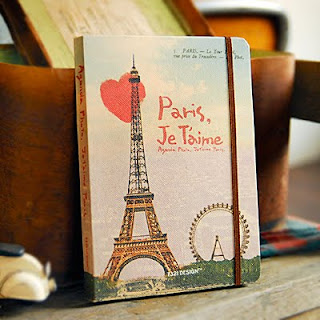
Before I say anything, I merely do these 10 posts of french lessons for a school assignment of my computer class (IT class? Idk what it's really called). You see, we have to make this blog and post 10 posts. But since I already have a blog, so- This theme "Quick Lesson of French" just occured in my mind when I was learning it. I admit that I am a very amateur in French and only understand the scrapes of it. So if you think you know better, please correct me- and forgive me.
Disclaimer(?):
If you'd see some phrases, or writings that look or seemed familiar like the ones you see from books/internets well maybe I got some from them. Maybe the ones you saw are the ones I learn my French from. But know that I don't like completely rip it off from those things, but I changed it a little bit and mix it up.
Oh another thing, as I have said, I'm an amateur in French, but I'm interested to learn this language. I really love this language and to be able to speak it like I speak English would be a blast. So if I make mistakes, please correct me. You'd think that why would an amateur in French give a quick lesson in French? Well it is for my assignment and I just love this language and I prefer to make this thing as an assignment, and I thought I'd just share what I know.
So anyway, I have to make like 10 posts, yeah? And this should be count as one, so I only need 9 other posts that I would make as chapters. So I've summarized it to 9 chapters:
6. Polite Conversation
7. Common French Phrases
8. Insults
9. Daphnee – Daphnee’s phrases
Tuesday, October 4, 2011
Anorexia, Bullimia, oh wait there's more; Orthorexia Nervosa

"Other questions concerning those who may be suffering from orthorexia provided by Davis on the WebMD (2000) website are: Do they spend more than 3 hours a day thinking about healthy foods? When they eat the way they're supposed to, do they feel in total control? Are they planning tomorrow's menu today? Has the quality of their life decreased as the quality of their diet increased? Have they become stricter with themselves? Does their self-esteem get a boost from eating healthy? Do they look down on others who don't eat this way? Do they skip foods they once enjoyed in order to eat the "right" foods? Does their diet make it difficult for them to eat anywhere but at home, distancing them from family and friends? Do they feel guilt or self-loathing when they stray from their diet? If yes was answered to two or more questions, the person may have a mild case of orthorexia"
(source: Wikipedia)
Yes, yes, yes, a million times- yes. The planning of the menu, the stress if you don't know what to eat for tomorrow, the condescending of people who don't eat "right" (remember my earlier post? yeah that is one of the main prove), the guilt- and self-loathing when I stray from my diet- you know, let me tell you something, I have once- bail on school because of this. I was too stressed of planning out my menus, to eat the "right" diet, and I was feeling very guilty and uncomfortable because I don't eat the "right" diet- so there that morning, I cried. Yeah, I know ridiculous, right? But it did happened. And I was supposed to take my midterms then, but I didn't. Because I was too "stressed", I was crying, and I had a temper tantrum. So I told them, "I don't feel like it." They made me go to the guidance counselor.
Lately I have been reluctant to eat outside, except if I had plan it for days earlier. And the boost of self-esteem when I eat "right". God, this is like seeing myself on mirror- only in the form of text. I know it sounded stupid, excuse my stupidity. I knew it, I am mental. I knew there was something wrong with me all along, but I've never figured out what it is. So, turns out I'm mental- anyway, I have never known this such thing exist. So what is this about anyway?
According to Steven Bratman, Orthorexia nervosa, as he originally defined it, indicates an unhealthy obsession with eating healthy food. The term is derived from the Greek "ortho", which means "right", or "correct", and is intended as a parallel with anorexia nervosa.The difference between Orthorexia and Anorexia is he said, "While an anorexic wants to lose weight, an orthorexic wants to feel pure, healthy and natural. Eating disorder specialists may fail to understand this distinction, leading to a disconnect between orthorexic and physician." He also said, "At times (but not all times) orthorexia seems to have elements of OCD. It mat also have elements of standard anorexia. But it is often not very much like typical OCD or typical anorexia."
OCD, huh? Well my mum is a huge time OCD and I was raised OCD by my mum. Well thanks mum maybe that what caused me to bare orthorexia nervosa. Hahaha jk mum. But seriously though, she's freakin OCD.
Point taken, although there are no biological disadvantages of eating healthy as in orthorexia nervosa, (of course there isn't- except if it's too much though, and if there's a wrong concept about the "right" diet) but there's this obsession that could damage some way in life. For example, if we're eating for three hours about what food we should eat, it would do some harm, wouldn't it? Three hours, try whole day- that's what happened to me. And the self-loathing, self-conscioussness towards food- isn't healthy. And in my experience, tiring. Sometimes I wish I had a food nutritionist, a chef, and they'd just tell me what to eat and what time to eat. Or sometimes I wish I'd just be an anorexic because it seems easier that way.

Subscribe to:
Posts (Atom)